
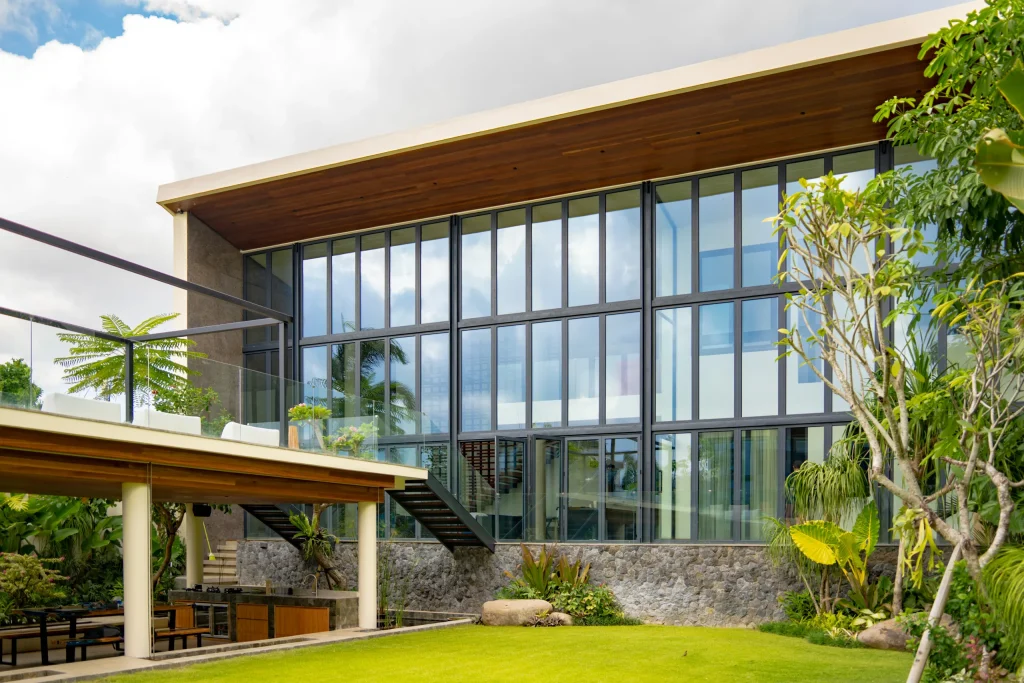
Aluminium vs. UPVC Windows
Choosing the right window material is essential for comfort, energy efficiency, and long-term value. Two of the most common options in modern architecture are UPVC windows and aluminium windows. While both materials have their place, they differ significantly in insulation performance, cost, and typical applications.
At DESCH, we specialize in high-performance European Aluminium window systems and help clients choose the solution that best fits their project.
Quick comparison: UPVC vs. Aluminium
| Feature | UPVC Windows (WOHNRAUM) | Aluminium Windows (DESCH) |
| Sound Insulation | Very good acoustic insulation, ideal for homes in noisy areas | Good, but metal structure can transfer vibrations more easily |
| Thermal Insulation | Excellent insulation due to multi-chamber profiles and low heat conductivity | Moderate insulation – requires thermal breaks to improve performance |
| Energy Efficiency | High energy efficiency, helps reduce cooling costs and increase comfort | Lower insulation performance compared to UPVC |
| Cost | Generally more affordable while offering high performance | Usually significantly more expensive |
| Frame Thickness | Slightly thicker profiles | Very slim frames possible |
| Structural Strength | Strong and durable for most window applications | Extremely strong – ideal for very large glass elements |
| Large Sliding & Folding Doors | Possible, but size limitations apply | Ideal for large panoramic sliding doors |
| Maintenance | Very low maintenance, weather resistant | Also low maintenance and corrosion resistant |
| Design Options | Many colors and finishes available, incl. realistic wood decors. | Available in all RAL colors and some wood prints |
| Typical Applications | Residential homes, villas, apartments, hotels | Luxury architecture, large sliding doors, premium commercial projects |
Conclusion:
For most residential projects, UPVC windows provide the best balance of insulation performance, sound reduction, and cost efficiency.
Aluminium systems are typically chosen when projects require very large sliding doors, ultra-slim frames, or specific architectural designs.
Design and Structural Strength
Aluminium has one major advantage: structural strength.
Because aluminium profiles are very rigid, they allow for extremely slim frames and very large glass surfaces. This makes aluminium particularly popular for:
- Large panoramic sliding doors
- Floor-to-ceiling glazing
- Luxury architectural projects
- Minimalist designs with ultra-slim frames
UPVC profiles are slightly thicker, although modern systems still allow for elegant designs and large windows.
Result: Aluminium is often preferred for very large sliding doors and high-end architectural features.
Maintenance and Durability
Both materials are highly durable and require very little maintenance.
UPVC does not corrode, is weather-resistant, and maintains its performance for decades. High-quality systems with UV-stable surfaces retain their appearance even in demanding climates.
Aluminium is also extremely durable and resistant to weather exposure.
Result: Both materials offer excellent longevity with minimal maintenance.
Sound Insulation
For homes located near traffic, urban areas, or busy neighborhoods, sound insulation becomes a key factor.
UPVC window systems are specifically designed to achieve excellent acoustic performance, especially when combined with double or triple glazing. The material itself dampens vibrations and helps reduce outside noise.
Aluminium windows can also provide sound reduction, but the rigid metal structure tends to transfer vibrations more easily.
Result: UPVC is usually the better choice for soundproofing applications.
Thermal Insulation
One of the most important differences between UPVC and aluminium is thermal performance.
UPVC is a naturally insulating material. Multi-chamber profiles combined with insulated glazing significantly reduce heat transfer. This helps keep interiors cooler in warm climates and improves energy efficiency.
Aluminium, by contrast, is a highly conductive metal. Even when modern aluminium systems include thermal breaks, they generally cannot match the insulation performance of high-quality UPVC systems.
Result: UPVC windows typically provide better thermal insulation and lower energy loss.
Cost Efficiency
Budget plays an important role in most building projects.
UPVC window systems are generally significantly more affordable than comparable aluminium systems. At the same time, they offer excellent insulation, durability, and low maintenance.
Aluminium windows are typically more expensive, both in terms of material and system complexity.
Result: UPVC offers excellent performance at a more accessible price point.
Which Window Material Is Right for Your Project?
For most residential projects, WOHNRAUM UPVC windows provide the best balance of performance, comfort, and cost efficiency. They deliver excellent insulation, strong sound reduction, and long-term durability.
DESCH Aluminium systems are ideal when a project requires very large sliding doors or ultra-slim architectural designs, typically in premium or luxury buildings.
Many modern homes combine both materials — using UPVC windows for optimal sound insulation in bedrooms and aluminium sliding doors in the living area.